Did you know that you can discover the origins of Namibia’s incredible natural resources right here at the National Earth Science Museum at the Ministry of Mines and Energy? This museum, part of the Geological Survey of Namibia, offers an exciting journey through time, showcasing Namibia’s rich geological history and the vast resources that have shaped our country.
As the only museum of its kind in Namibia, the National Earth Science Museum houses an impressive collection of rocks, minerals, meteorites, and fossils. Established to promote Earth Sciences, the museum is open to the public and offers a unique learning experience for anyone interested in exploring Namibia’s natural treasures.
What can visitors expect?
The museum serves as a treasure trove of Namibia’s geological wonders. It features fossils that date back millions of years, from a time when the southern landmasses shifted between polar and tropical regions. These changes gave rise to distinct animal and plant life, and some of these organisms were eventually preserved as fossils. At the museum, you can learn about the fascinating process of fossilization—how organisms were buried by sediments in rivers, deserts, lakes, and oceans, and over time, transformed into the hard rock-like fossils we admire today.
Namibia is particularly famous for its early Ediacaran fossils, which are the earliest known multicellular animals. You will also find Karoo therapsids, the ancestors of mammals, as well as Miocene mammals, Eocene marine shells, and the world’s oldest fossil flowers.
Showcasing Namibia’s Mining Legacy
In addition to fossils, the museum highlights Namibia’s thriving mining sector. It features displays of most major mines operating in the country, offering insights into the mining processes and the minerals and ores that come from these operations. Visitors can see stunning examples of minerals such as dioptase and smithsonite from the historic Tsumeb Mine, as well as gems like tourmaline and aquamarine from the renowned Erongo Mountains.
The museum also demonstrates how mining products play an essential role in everyday life, including in industries like automobile manufacturing. You can even explore the history of diamond mining in Namibia and learn about the stages of diamond cutting—showcasing how Namibia’s natural resources contribute to both local and global industries.
A Meteorite Experience
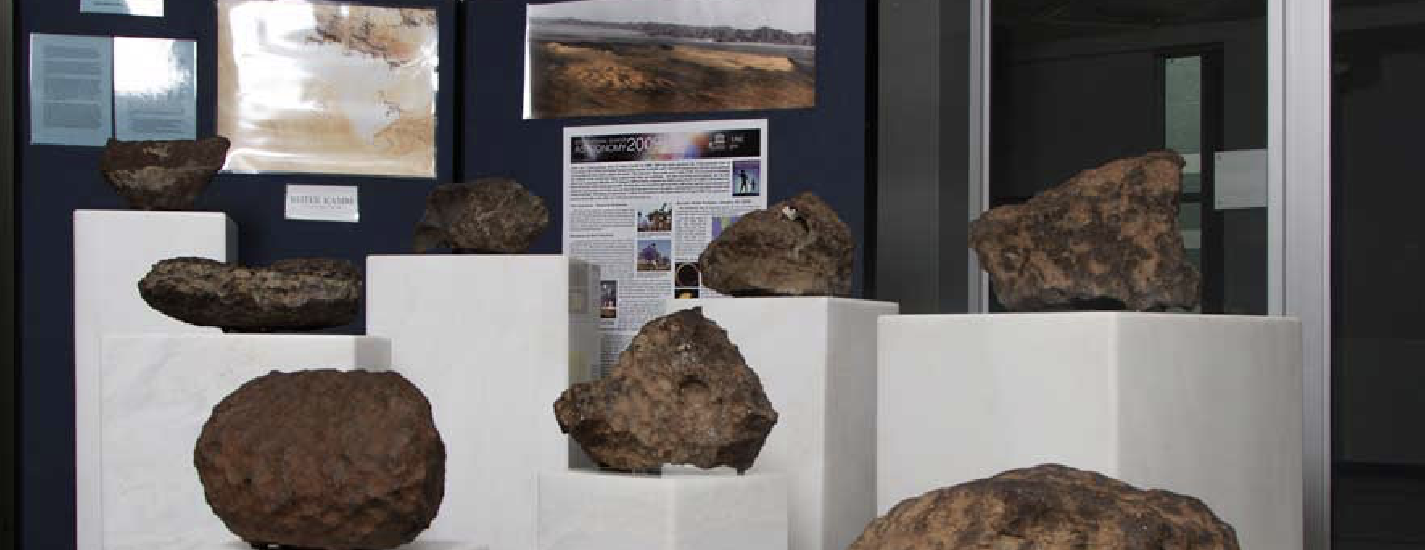
One of the museum’s highlights is its collection of meteorites from the famous Gibeon meteorite shower. These space rocks offer a glimpse into the universe beyond, adding yet another layer to Namibia’s incredible geological story.
Whether you are a curious student, a professional in the field, or simply someone with an interest in Earth’s natural history, the National Earth Science Museum has something for everyone. It is a place where you can gain a deeper understanding of Namibia’s natural wealth and how it has shaped both our past and future.
Next time you are in the area, stop by the museum and explore the fascinating world beneath our feet. There is so much to learn and admire!
Harnessing Our Resources, Powering Our Future.