At the Ministry of Mines and Energy, one key component of our work is managing the National Energy Fund (NEF), which plays a critical role in ensuring that Namibia’s energy needs are met. We oversee several levies tied to the services and natural resources that power Namibia.
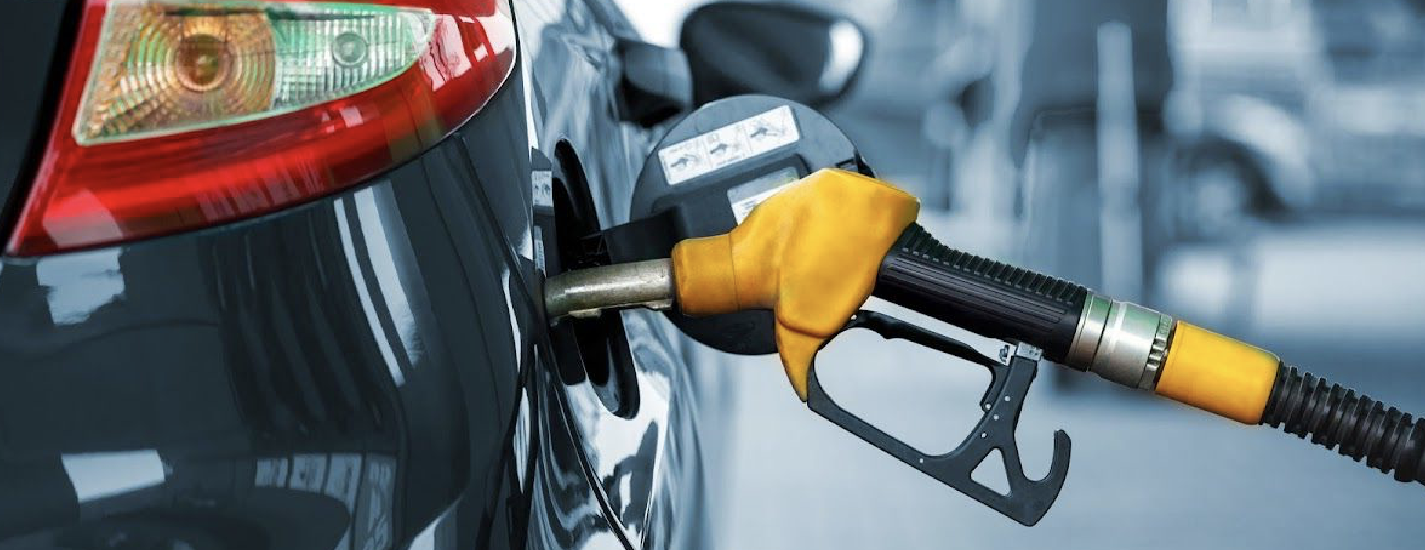
NEF was established through the Petroleum Products and Energy Act in 1990, with the main purpose of receiving funds from the Petroleum Equalisation Levy. This levy is collected on controlled petroleum products sold or consumed within Namibia. In simple terms, every time fuel is sold, a portion of the price is directed into this fund to help manage energy costs and related activities.
These funds are collected from various levies, which are, the NEF, NAMCOR, National Oil Storage Facility, Fuel Marking and Electricity levies.
In addition to these levies, the NEF also collects funds on behalf of the Motor Vehicle Accident (MVA) Fund and the Road Safety Secretariat (RSS), which we transfer to them 45 days after sales. Similarly, funds from electricity sales, collected by NamPower through the electricity levy, are also directed into the NEF.
How the NEF Helps Manage Fuel Costs
One of the important functions of the NEF is managing the Slate Account. This account operates between the government and the suppliers of petroleum products, like Puma Energy, Total Energies, Vivo Energy, Engen, and NAMCOR. The Slate Account ensures that any differences between local pump prices and international fuel import costs are balanced. These differences, or under/over recoveries, often arise due to fluctuations in international oil prices or changes in the exchange rate. By managing this process, the NEF helps keep fuel prices stable for Namibians.
Supporting Rural Communities and Energy Projects
The NEF also plays a critical role in supporting rural areas through the Fuel Road Delivery Subsidy (FRDS). This subsidy covers the cost of transporting fuel to remote regions where the national railway does not reach. It ensures that even the most far-off communities have access to essential fuel, with the funds coming from the NEF levy.
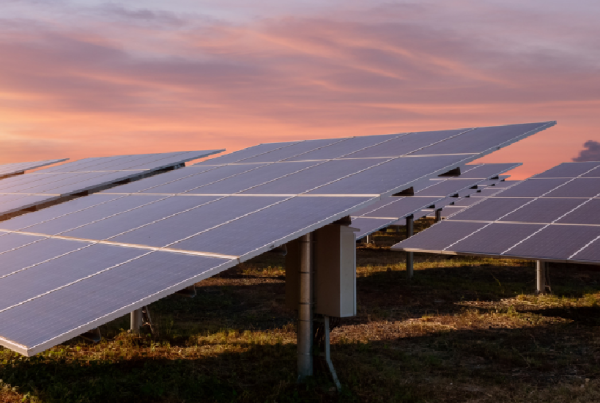
Beyond fuel, the NEF helps improve the quality of Namibia’s energy supply. It funds renewable energy projects, provides soft loans to Regional Electricity Distributors (REDs) for energy-related projects, and even subsidizes electricity pricing for vulnerable communities. By doing so, the NEF ensures that average households have access to affordable electricity and that unexpected price hikes are kept at bay.
Investing in Namibia’s Energy Future
To ensure the sustainability of the fund, NEF invests with asset managers and commercial banks. This helps generate interest and grow the fund, ensuring that it is well funded to support future energy projects.
NEF’s mandate covers a wide range of activities that directly impact the quality of energy services in Namibia. From stabilizing fuel prices to funding renewable energy and improving access to electricity in rural areas, NEF is powering Namibia’s future.
Harnessing Our Resources, Powering Our Future.